English


Carless Scissors: Selection, Care & Sourcing for Outpatient Clinics
A guide for clinical teams on selecting Carless scissors, mastering atraumatic handling techniques, and implementing maintenance protocols to ensure instrument longevity in private outpatient settings.
Reviewed for private surgical clinics, aesthetic centers, and outpatient practitioners across the USA, EU, UK, and international markets.
On this page (8)
- Understanding Carless Scissors Design and Application
- Selection Criteria: Blade Geometry and Handle Ergonomics
- Atraumatic Handling Techniques for Precision Work
- Maintenance Protocols: Cleaning and Sterilization
- Global Procurement Checklist for Private Clinics
- Ensuring Longevity Through Informed Choices
- Frequently asked questions
- Related Outpatient Categories & Clinic Sourcing
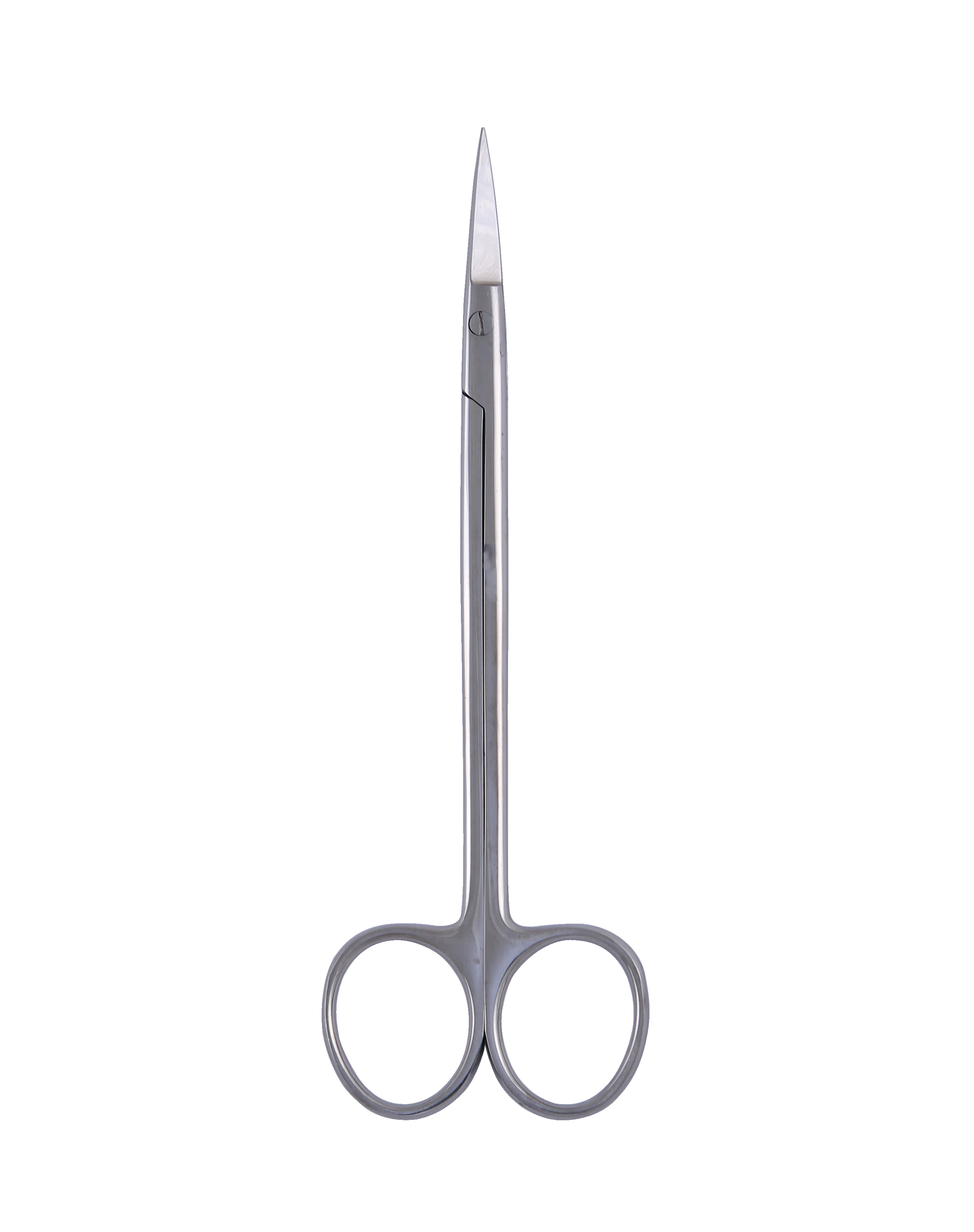
For outpatient clinics performing fine tissue dissection, the choice of instrument directly impacts procedural precision and patient comfort. Carless scissors represent a specialized category designed for delicate work, requiring specific selection criteria distinct from standard surgical tools.
This guide addresses the unique considerations for acquiring and maintaining these instruments. We focus on blade geometry, atraumatic handling best practices, and global procurement strategies suitable for private clinics in the USA, EU, UK, and beyond.
Understanding Carless Scissors Design and Application
Carless scissors are characterized by their fine tips and precise cutting edges, engineered specifically for micro-dissection tasks where minimal tissue trauma is critical. Unlike general-purpose scissors, these instruments demand a higher degree of craftsmanship to maintain sharpness and alignment under repeated use.
In outpatient settings, they are frequently employed in dermatological procedures, minor plastic surgery, and ophthalmic applications. The design prioritizes control and visibility, allowing clinicians to navigate tight anatomical spaces without compromising surrounding healthy tissue.
Selection Criteria: Blade Geometry and Handle Ergonomics
Selecting the correct Carless scissor involves evaluating three primary factors: blade length, tip configuration, and handle ergonomics. Shorter blades offer greater control for superficial cuts, while longer variants provide reach for deeper incisions. Tip designs range from straight to curved, each suited to specific procedural angles.
Handle ergonomics are equally vital for reducing clinician fatigue during prolonged sessions. Instruments with balanced weight distribution and non-slip grips enhance stability. When sourcing globally, verify that the stainless steel grade meets international standards for corrosion resistance and edge retention.
- Assess blade length based on typical procedure depth.
- Choose tip curvature to match anatomical access points.
- Prioritize handles with ergonomic contours for sustained use.
- Confirm material specifications for durability and biocompatibility.
Atraumatic Handling Techniques for Precision Work
Proper handling extends the functional life of Carless scissors and ensures consistent performance. Clinicians should avoid using these fine instruments for tasks outside their intended scope, such as cutting sutures or grasping heavy tissue, which can dull or misalign the blades.
During procedures, gentle manipulation is key. Excessive force can compromise the pivot mechanism. Training staff on correct usage patterns reduces accidental damage and maintains the atraumatic qualities essential for patient recovery. Consistent technique also aids in identifying early signs of wear before they affect outcomes.
Maintenance Protocols: Cleaning and Sterilization
Maintaining Carless scissors requires strict adherence to cleaning and sterilization protocols. Residual biological material must be removed immediately after use to prevent corrosion and pitting. Ultrasonic cleaning is often recommended for delicate joints, followed by thorough drying to eliminate moisture pockets.
Sterilization methods must align with manufacturer guidelines. While many modern instruments tolerate autoclaving, repeated high-heat cycles can degrade lubricants and affect metal integrity. Regular inspection for rust spots or dull edges allows for timely intervention, preserving the instrument's precision over its lifecycle.
- Clean instruments promptly after each use.
- Use ultrasonic baths for joint areas if permitted.
- Dry completely before packaging for sterilization.
- Inspect regularly for corrosion or edge degradation.
Global Procurement Checklist for Private Clinics
Sourcing Carless scissors for international clinics involves navigating varying regulatory landscapes. Buyers should request documentation verifying compliance with relevant standards, such as CE marking for Europe or FDA registration for the United States. This ensures legal usability and quality assurance across borders.
Evaluate suppliers based on their ability to provide consistent inventory and clear communication regarding shipping and customs. Establishing relationships with vendors who understand the niche requirements of outpatient surgical tools helps secure reliable supply chains and competitive pricing for bulk orders.
| Checklist Item | Action Required |
|---|---|
| Regulatory Compliance | Verify CE/UKCA/FDA documentation |
| Material Certification | Request stainless steel grade specs |
| Supplier Reliability | Assess lead times and support channels |
| Warranty Terms | Clarify replacement policies for defects |
Ensuring Longevity Through Informed Choices
The effective integration of Carless scissors into an outpatient clinic relies on informed selection, careful handling, and rigorous maintenance. By understanding the specific design attributes and operational limits of these instruments, clinical teams can maximize their utility and lifespan.
Adopting a structured approach to procurement and care not only protects your investment but also upholds the standard of atraumatic care expected by patients. Review your current inventory against these guidelines to identify opportunities for improvement in both efficiency and instrument health.
Selected ENT and Maxillofacial products
$113.33 $130.26
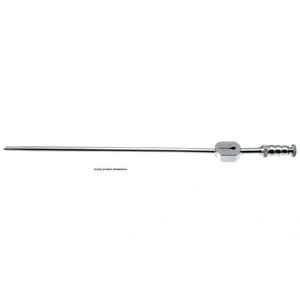
$29.52 $32.44
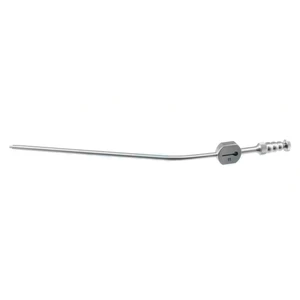
$27.72 $31.50
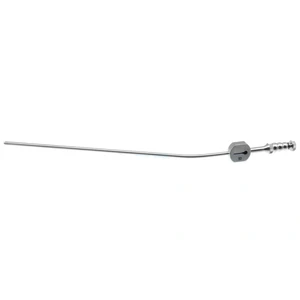
$45.92 $48.85
Frequently asked questions
Are Carless scissors reusable or single-use?
Most Carless scissors are designed as reusable instruments made from high-grade stainless steel. However, some specialized variants may be marketed as single-use to guarantee sterility and sharpness for specific high-risk procedures. Always check the manufacturer's labeling to determine the intended lifecycle and disposal protocol for your clinic's needs.
How do I prevent corrosion during autoclave cycles?
Corrosion prevention starts with immediate post-procedure cleaning to remove organic residues. Ensure instruments are fully dried before packaging to avoid trapped moisture. Using distilled water in the autoclave and adhering to validated temperature and pressure parameters reduces mineral buildup and thermal stress on the metal surfaces.
What distinguishes Carless scissors from generic micro-scissors?
While both are used for fine work, Carless scissors typically feature a specific blade geometry and tip design optimized for particular tissue types, such as skin or mucosa. Generic micro-scissors may lack this specialized engineering, potentially offering less precision or durability for repetitive outpatient tasks requiring consistent atraumatic performance.
Related Outpatient Categories & Clinic Sourcing
Related Categories & Sourcing Hubs
Dr. Zain Ul Abideen
Aesthetic & Private Clinic Surgical Instrumentation Consultant
Reviewed for private surgical clinics, aesthetic centers, and outpatient practitioners across the USA, EU, UK, and international markets.