English


Liposuction Cannula Selection, Care and Clinic Sourcing Guide
A practical framework for comparing liposuction cannula designs, choosing compatible sizes and kit contents, and planning reusable or single-use purchasing and care.
Reviewed for private surgical clinics, aesthetic centers, and outpatient practitioners across the USA, EU, UK, and international markets.
On this page (8)
- Compare cannula design by intended use and handling
- Choose diameter, length and a practical clinic kit
- Assess single-use and reusable options
- Protect reusable instruments and maintain traceability
- Check supplier documents before ordering
- A consistent framework for cannula purchasing
- Frequently asked questions
- Related Outpatient Categories & Clinic Sourcing
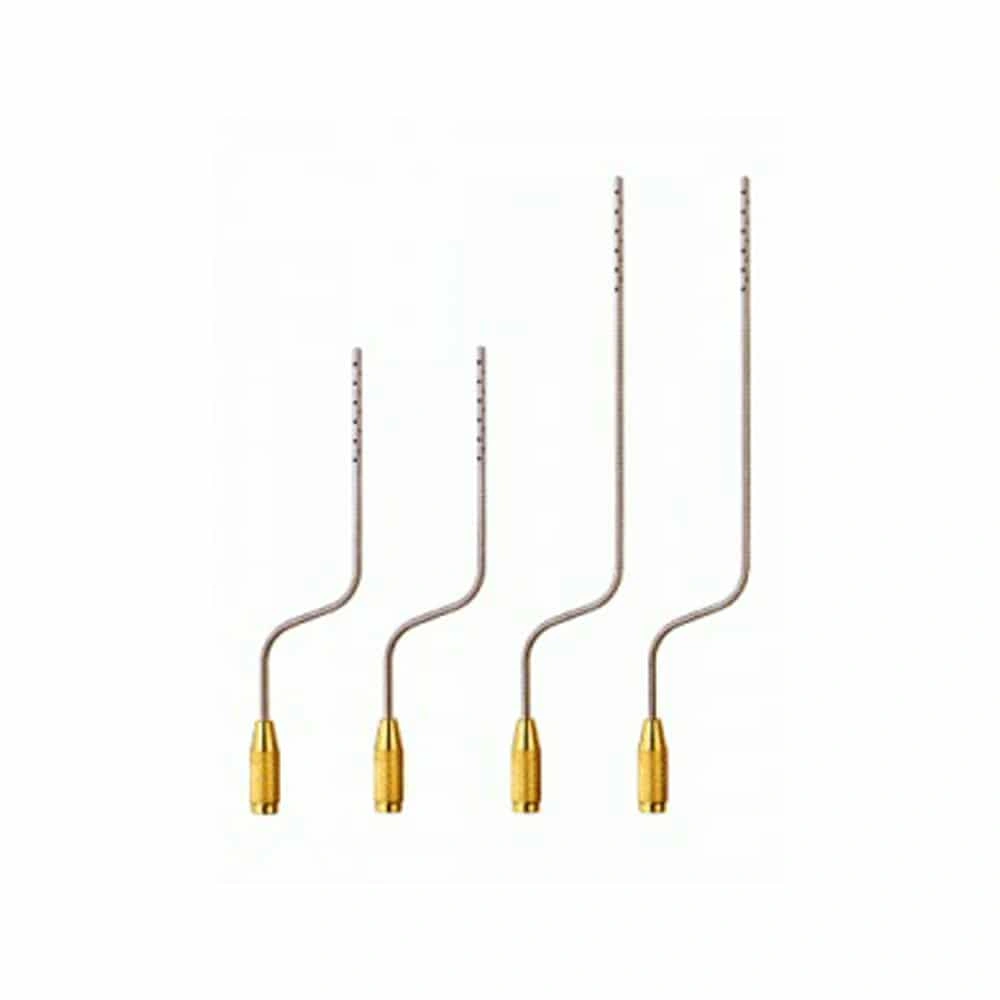
Selecting a liposuction cannula is not just a question of choosing a diameter. Clinical teams need to compare tip and side-hole design, length, compatibility, intended use, handling preferences and the requirements of their reprocessing workflow. A clear selection process helps a clinic specify instruments consistently and assess whether individual units or a kit better fit its needs.
This guide outlines questions to use when evaluating lipo cannulas for a private outpatient practice. It does not prescribe instruments for a patient or procedure. Confirm clinical choices with the responsible practitioner, and follow the manufacturer’s instructions for use (IFU) and the clinic’s applicable policies for handling, reprocessing and documentation.
Compare cannula design by intended use and handling
Terms such as “atraumatic” and “traumatic” can be used to distinguish design approaches, but a label alone does not tell a purchasing team how a cannula will handle. Compare the actual tip geometry, edge finish, side-hole configuration and overall construction in the product documentation. Check that descriptions are clear enough for clinicians to assess the design against their established preferences and intended applications.
Treat design features as specification points, not as a guarantee of clinical performance. Request the manufacturer’s description and relevant product documentation when features are unclear. Where practical, have the intended users review the same information before standardising a model. Record the selected design and its intended role so staff can distinguish similar-looking instruments during ordering, inventory checks and preparation.
- Confirm the exact model and the manufacturer’s terminology for its tip design.
- Compare side-hole number, placement and configuration using documented specifications.
- Check connector and suction-system compatibility rather than assuming similar fittings are interchangeable.
- Ask users to assess handling preferences through the clinic’s approved evaluation process.
Choose diameter, length and a practical clinic kit
There is no universal diameter or length that suits every clinical preference or intended use. Instead of assigning sizes to particular body areas without an appropriate clinical basis, define the decision with the responsible practitioner. Review the available dimensions, the intended applications, the connected equipment and any relevant manufacturer guidance. Use those requirements to create a concise specification that a supplier can quote accurately.
For unit-versus-kit planning, list the cannulas and compatible components the clinic expects to need, then separate essential items from optional variations. A kit may simplify ordering when its contents match the practice’s requirements; individual units may make more sense when users need a narrower selection or replacements. Verify every item, size and connection in a proposed kit against the written specification before purchase.
| Selection point | What to verify |
|---|---|
| Diameter and length | Documented dimensions and practitioner-approved intended use |
| Tip and side holes | Clear product description and preferred configuration |
| Compatibility | Connection details and compatibility with clinic equipment |
| Kit contents | Itemised models, dimensions and any included components |
| Identification | Model references that support ordering and inventory checks |
Assess single-use and reusable options
Compare single-use and reusable cannulas across the full purchasing workflow rather than considering unit price alone. For each option, confirm its intended use, supply format, product documentation and compatibility with the clinic’s processes. For reusable models, include the resources and responsibilities associated with inspection, cleaning, reprocessing, storage and recordkeeping. For single-use models, establish how staff will manage ordering, stock rotation and disposal under applicable local requirements.
A simple internal comparison can make purchasing discussions more consistent. List the anticipated purchasing pattern, required range, storage needs, reprocessing capacity and documentation available for each option. Avoid assuming that one format is automatically cheaper or more suitable: the answer depends on the clinic’s actual use, workflow and costs. Revisit the comparison when the selected range, volume assumptions or operating processes change.
- Compare like-for-like models and documented specifications.
- Include the clinic’s own handling, reprocessing and storage resources in the assessment.
- Check ordering identifiers and supply arrangements before selecting a standard range.
- Record why the chosen format and unit or kit configuration fit the practice.
Protect reusable instruments and maintain traceability
For reusable cannulas, the manufacturer’s IFU is the controlling reference for cleaning, inspection, reprocessing, storage and any stated compatibility requirements. Do not substitute a generic cycle or an assumed autoclave setting for the instructions for the specific instrument. Before purchasing, confirm that the instructions are available and that the clinic can follow them using its established, validated processes. If a requirement is unclear or appears incompatible with local workflows, seek clarification from the manufacturer before use.
Build care into the instrument lifecycle: identify each model, make the applicable instructions accessible, and define who checks condition and records instrument movement under clinic policy. Handle and store cannulas in a way that protects their specified features; avoid improvised repairs or using an instrument when its condition or identification is uncertain. Documented checks help teams flag damage, missing items and changes in product status for review.
- Keep the correct IFU available for each reusable model.
- Use only clinic-approved reprocessing processes that follow the applicable instructions.
- Include tip condition, identification and functional checks in the clinic’s established inspection process.
- Remove uncertain or damaged instruments from the workflow pending review under clinic policy.
Check supplier documents before ordering
Before placing an order, request product-specific documentation that identifies the manufacturer, model, intended use, dimensions, configuration and relevant instructions. Confirm that the product and its documentation meet the requirements applicable to the clinic and the market where it will be supplied. Regulatory requirements and accepted documentation can differ by jurisdiction and product; do not rely on a broad claim or a generic certificate to establish compliance for a particular model.
For direct-clinic purchasing in the UK, EU, USA or other markets, verify the applicable requirements with the responsible compliance contact or a qualified adviser. Ask the supplier to clarify any missing or inconsistent information before approval. Keep the approved specification, supplier documentation and purchasing reference together so that subsequent replenishment can be checked against the same requirements.
- Match the quoted model and configuration to the approved specification.
- Review product-specific instructions and compliance documentation for the intended market.
- Clarify ambiguous claims or missing records with the supplier before ordering.
- Retain the final specification and model identifiers for repeat purchasing.
A consistent framework for cannula purchasing
A sound liposuction cannula selection process links design, dimensions, compatibility and intended use to the clinic’s actual workflow. Compare documented product features, let the responsible practitioners define clinical preferences, and specify kit contents or individual units clearly. For reusable instruments, confirm that the IFU fits the clinic’s established processes before purchase; for every option, check product-specific documentation and local requirements.
Use a written specification to align clinical, procurement and instrument-care decisions. When a potential supplier’s information is incomplete, request clarification rather than filling gaps with assumptions. This gives the clinic a repeatable basis for evaluating options, ordering the correct models and maintaining consistent records.
Selected ENT and Maxillofacial products
$113.33 $130.26
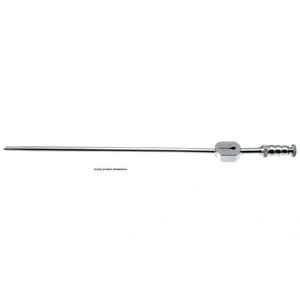
$29.52 $32.44
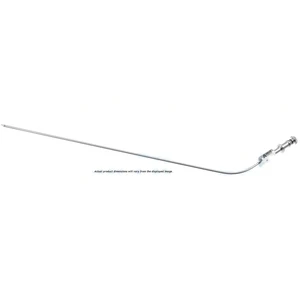
$27.36 $30.74
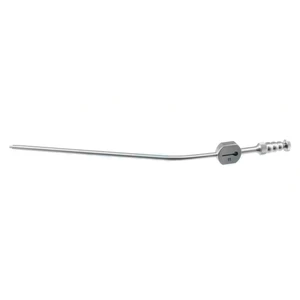
$27.72 $31.50
Frequently asked questions
What is the difference between an atraumatic and traumatic liposuction cannula?
These terms describe design approaches, but they may not be defined consistently across product ranges. Compare the documented tip geometry, edge finish and side-hole configuration rather than relying on the label alone. Ask the manufacturer to clarify unfamiliar terminology, then have the responsible practitioner assess the features against the clinic’s intended use and established preferences. A design label by itself does not establish a clinical outcome.
How should a clinic choose cannula diameter and length?
Start with the responsible practitioner’s intended-use requirements and documented product options. Compare dimensions, connections and compatibility with the clinic’s equipment, and do not assume that a particular size is appropriate for a body area without a clinical basis. Put the selected models and dimensions into the purchasing specification so that quotations, kit contents and future replenishment can be checked consistently.
Is a single-use or reusable cannula more cost-effective?
There is no universal answer. Compare the clinic’s actual purchasing pattern and costs alongside workflow requirements. Reusable options require the clinic to account for applicable cleaning, reprocessing, inspection and storage processes; single-use options require appropriate ordering, stock management and disposal. Review equivalent specifications and product documentation, and record the assumptions behind the comparison before choosing a format.
What care steps help protect a reusable cannula?
Follow the IFU for the exact model, including its cleaning, reprocessing, inspection and storage instructions. Make the instructions available to the staff responsible for instrument care, and use the clinic’s established checks to identify uncertain condition or identification. Do not assume a generic reprocessing setting applies or attempt an improvised repair. If instructions are unclear, seek manufacturer guidance before the instrument is processed or used.
Related Outpatient Categories & Clinic Sourcing
Related Categories & Sourcing Hubs
Dr. Zain Ul Abideen
Aesthetic & Private Clinic Surgical Instrumentation Consultant
Reviewed for private surgical clinics, aesthetic centers, and outpatient practitioners across the USA, EU, UK, and international markets.