Search across surgical specialties, instrument families and product codes.
SURGICAL SET AND TRAY SOURCING
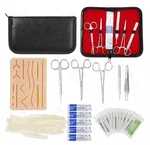
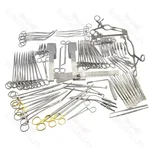
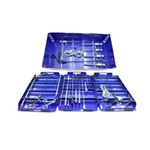
Explore specialty set categories and build an itemized requirement for each tray. Include quantities, preferred patterns, acceptable substitutions, tray grouping and required documentation.
EXPLORE SET CATEGORIES
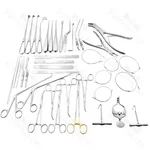
Start with a specialty, compare available set configurations and then prepare an itemized tray list for review.
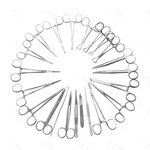
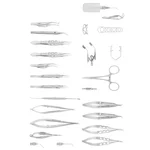
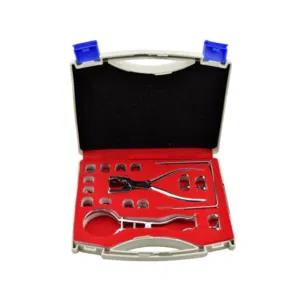
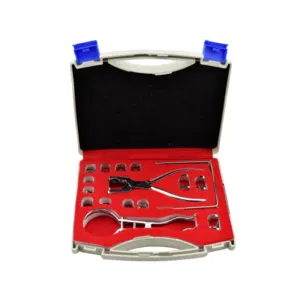
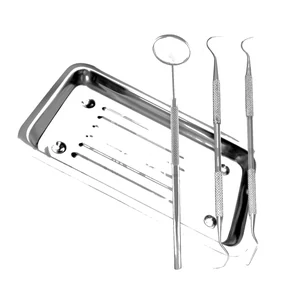
Review dental procedure-set categories and identify the instruments, quantities and preferred tray grouping for your list.
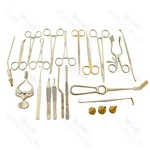
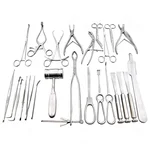
Compare orthopedic set categories by procedure and record the required patterns, sizes and quantities.
Review ophthalmic set categories and specify instrument patterns, sizes, quantities and preferred tray grouping.
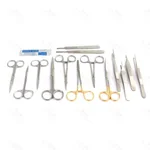
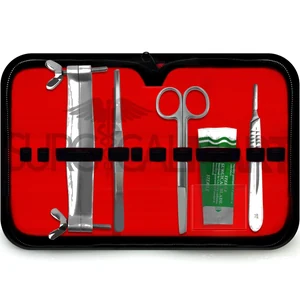
Review general-surgery set categories and prepare a separate itemized requirement for each tray.
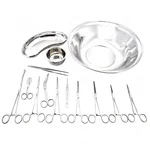
Explore veterinary kit categories and specify the intended procedure, instrument pattern and quantity.
Compare plastic and reconstructive surgery set categories and identify the required configuration.
$265.00 $296.75
Organize set and custom-tray requirements by procedure, tray or department.
State the target market, quantities, packaging and documentation requirements.
Confirm named patterns, dimensions, configurations and accepted equivalents.
Separate training requirements from instruments intended for clinical purchasing.
PROCUREMENT CHECKLIST
Provide the instrument name, catalog reference, drawing or a clear reference image.
State overall length, working-end size, curvature, angle and handle style where relevant.
List quantities per item and show how instruments should be grouped into trays or sets.
Note material, surface finish, insulation or insert requirements that form part of the specification.
Describe labeling, packaging, marking or private-label needs for review.
Identify the certificates, declarations or product documents required by the purchasing process.
Share item references, descriptions, quantities and supporting files.
Resolve missing dimensions, variants, packaging and documentation requirements.
Check the quoted references, quantities, terms and stated lead time.
Approve the final specification and order details through the agreed process.
Send item references, quantities, tray structure and documentation needs for review. Products already added to your quote list remain attached to the request.

 Español