Deutsch


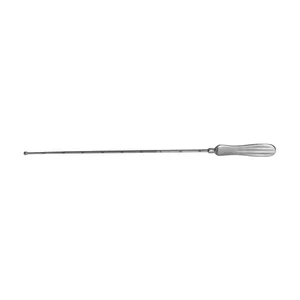
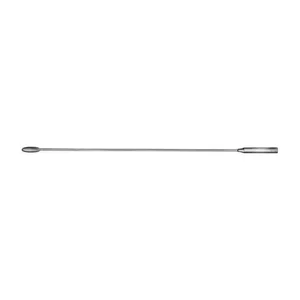
MAYO Gall Duct Probe
009210205
$14.00 $16.47
Save $2.47 (-14%)
Search across surgical specialties, instrument families and product codes.
PRODUCT SELECTION & QUOTATION
Compare probes and dilators by the exact pattern, recorded dimensions, end configuration and size notation. A family name or reference image can begin the enquiry, but the selected product record and agreed specification define the requested instrument.
$14.00 $16.47
$45.00 $49.45
$30.00 $32.26
$57.38 $62.37
$30.00 $32.97
$44.00 $50.00
$44.00 $47.31
$16.00 $18.39
SELECTION GUIDANCE
Use the complete catalogue name or SKU. Probe, director, sound and dilator labels cover different product records and should not be treated as interchangeable.
Record overall length, diameter or numbered size, curvature, tip or eye, groove, shaft and single- or double-ended construction where shown.
State whether each reference is required individually or within an itemized set. Include a piece count only when it belongs to the exact selected record.
List any material, processing, packaging, market or document requirement that must be verified for the quoted item rather than inferred from its family name.
BUYER QUESTIONS
Include the exact pattern or known reference, overall length, required diameter or size notation, straight or curved form, working-end and handle details, quantity, destination market and requested documents. Add a clear drawing or reference image when the exact catalogue item is uncertain.
No. A shared family name does not confirm identical dimensions, end geometry, material, processing method or intended use. Compare the complete product record and define any acceptance criteria in the quotation or agreed specification.
List every required instrument or accepted reference with its quantity and recorded size. Also state the requested set organization, identification, packaging and documents. An itemized request avoids assuming that one universal set composition applies.
PURCHASING RESOURCES
Compare the currently published product records, names, SKUs and available specifications in the native category.
Review how to record dimensions, working ends, handles and configurations before sending an enquiry.
Use a field-by-field checklist to reduce assumptions and make quotations easier to compare.
Learn which details are needed when starting from a photograph, drawing or another catalogue reference.
Add identified products to the quote list for a product-backed quotation. If the exact references are still being defined, open the same request form without selecting a product and describe the required pattern, dimensions, quantity and evidence.